How I Transitioned to Freelance
How I hunted for my first gigs, the mistakes I made, and the skills that proved useful. Here’s my story.
The Office Job
Before I jumped into freelancing, I worked in an office. It was a typical local web studio – small, friendly team, but questionable prospects. I had decent experience and several years under my belt, but it bothered me that most of my life was spent inside that office. In Novosibirsk, where I lived, a large chunk of the year is either winter or gloomy autumn. I’d leave for work early in the morning before sunrise (daylight hours are short in winter) and return in the dark, after sunset. I only saw the sun through the office window or during the summer months. This was pre-COVID, so remote work wasn’t really a thing people considered. Plus, the biting cold wind chilled you to the bone. Honestly, that was pretty good motivation to change things up.
Motivation turned out to be more important than just having free time.
Upwork
Making the switch to freelance was a real ordeal. On weekdays, I worked eight hours at the web studio, and then spent another four hours in the evenings hunting for my first freelance gigs. Trying to build a career on Russian platforms didn’t feel promising, so I set my sights firmly on Upwork. My driving thought was that on the international freelance market, I could potentially work half as much but earn twice as much, doing the exact same thing. More clients, more interesting projects – but, naturally, serious competition too.
However, without a history of completed projects, clients were reluctant to hire a newcomer. Every day, I monitored new project listings, sent out proposals, and managed correspondence, only to face rejection. I experimented with different ways to write my profile and cover letters, constantly tweaking things. It was stressful, especially since my English level back then was far from perfect, making every interaction a huge effort. I had no idea how to discuss a project properly, set prices, agree on deadlines, or handle all the other nuances.
Understanding the process and knowing how to discuss a project is incredibly valuable. It comes with experience, but reading up or watching videos on the topic can help.
The First Gig
After about a month, I had almost lost hope. I’d poured so much energy into it with nothing to show. But then, I got lucky. A client agreed to hire me for a project. It was a small, one-off task that would take an evening – adding a payment form to a website. Turns out, the client was also new to Upwork, and we were both pretty clueless. He didn’t know which button to press to actually hire me, and I couldn’t guide him because I’d never seen the client-side interface. Eventually, we figured it out. I completed the work in a couple of days, and the client was happy. He left me a positive review, and from that moment on, things got significantly easier. I found my next project much faster.
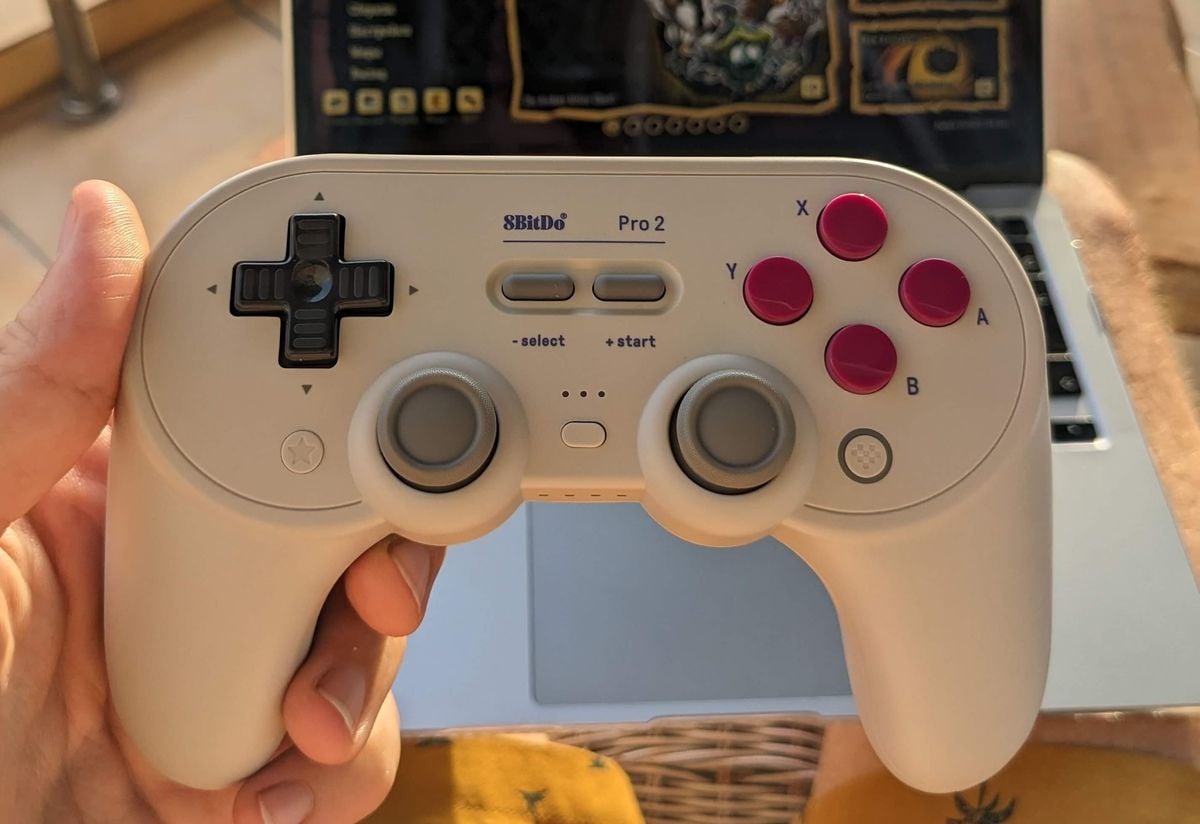
 Caption suggestion: My simple setup for getting things done.
The Cover Letter
My cover letter for that first gig was the simplest and shortest one I’d sent. I wrote it without much hope, not even putting in a huge amount of effort – just a couple of lines. I basically said I was ready to help and that it would take me a couple of evenings. That was it.
Later, when I started hiring freelancers myself on Upwork, I realized that standing out with simplicity is much easier. Listing all your achievements and known technologies probably doesn’t get read by anyone. The client is wading through proposals – from the first minute, they’re bombarded with dozens of automated bids from freelancers in places like India and Pakistan. There are genuinely a lot of them, often using auto-posting tools and always presenting themselves as super-experts in everything, listing every conceivable technology. Often, the client has no clue about tech stacks and frameworks anyway.
Based on my experience, most clients are entrepreneurs, not tech specialists. This makes sense. Entrepreneurs value their time and prefer to find someone they feel they can trust. The rest is often down to chance. I believe a friendly profile picture and describing yourself as a person are more important than a long list of technologies.
After landing that first gig, I came to a few important realizations:
- You can definitely break into international freelancing with minimal English. Initially, a translation tool and some nerve were enough. Calls aren’t always necessary.
- To get your first project, consider lowering your price or even doing it for free. Spending a couple of evenings on a free project to get a review might be quicker and easier than spending a month searching and writing proposals.
- Luck and serendipity play a significant role. Patience and persistence are also crucial.
- There are newcomers among clients too, and they might be more forgiving or understanding.
- The simpler the cover letter, the better. Don’t try to posture as an expert in everything.
Clients
The first year was tough. I was still working the office job, then freelancing in the evenings and on weekends. Finding gigs still took a lot of time and energy, as communication and writing proposals drained me. I encountered some nightmare clients too – real jerks who demanded endless revisions, messaged constantly, and changed requirements on the fly. One even opened a dispute on Upwork, making absurd accusations to avoid paying. It was genuinely a rocky path, and stress levels were still high.
I worried about my Upwork profile reputation, knowing that negative reviews, especially with few completed projects, could seriously impact future opportunities. But I always tried to meet the client halfway: doing free revisions and engaging in pointless back-and-forth, even when communication became unpleasant. I understood I was building my reputation and portfolio, and that was more important than the money at that stage. Maybe that’s why I didn’t end up with many negative reviews. Besides, the earnings were quite modest initially. However, with each failed project, I learned something, and eventually developed a set of intuitive signals and fairly clear criteria to avoid problematic clients.
My current filter criteria look something like this:
- Be cautious with clients from certain regions known for expecting a lot for very little (e.g., India, Pakistan, UAE). Their communication style can sometimes be aggressive, overly emotional, or demanding.
- Exercise caution with clients from Eastern Europe as well; there can be similar issues with very low budgets and occasional attempts to deceive.
- Pay attention to the client’s profile: Look at their other projects, reviews left by other freelancers, and typical budgets. The more a client has successfully paid others, the lower the risk for you.
- A small task on an already functioning project, an MVP, or a prototype often signals potential for long-term collaboration.
- A large project from scratch is often a risk. It can involve a lot of negotiation time that might end up being wasted.
- Never take fixed-price projects, only hourly rate. This way, the client pays for their own scope creep and tends to be more careful with requirements.
- Avoid projects with tight deadlines. The presence of strict deadlines is often a red flag.
Stability
After about a year, my English had improved from virtually zero to something acceptable. I had completed projects, good reviews, and a better understanding of how to discuss work. I started feeling more confident, and a sense of stability emerged. I was still working evenings and sometimes weekends, but it was actually enjoyable.
After several smaller projects, I connected with a client who offered a long-term, hourly contract. He needed someone to maintain his website and develop new features. There was plenty of work, but most importantly, the client had a growing business. I stopped spending time searching for new projects and focused on this one. On one hand, it felt a bit like “working for the man,” but with much more freedom and flexibility. I could decline a task if I didn’t like it. And if I thought the client was suggesting something odd, I could propose my own solution. He trusted me completely on the technical side and never rushed me with deadlines. I felt more like a partner than just a hired hand.
After a few months on this project, I quit my office job. It was a smooth transition financially, but a huge gain in terms of time. I was surprised to realize that freelancing doesn’t have to mean risk and instability. It’s just a different way of working. Constantly hunting for gigs is just the beginning; the next stage of development is establishing relationships with repeat clients and securing long-term projects.
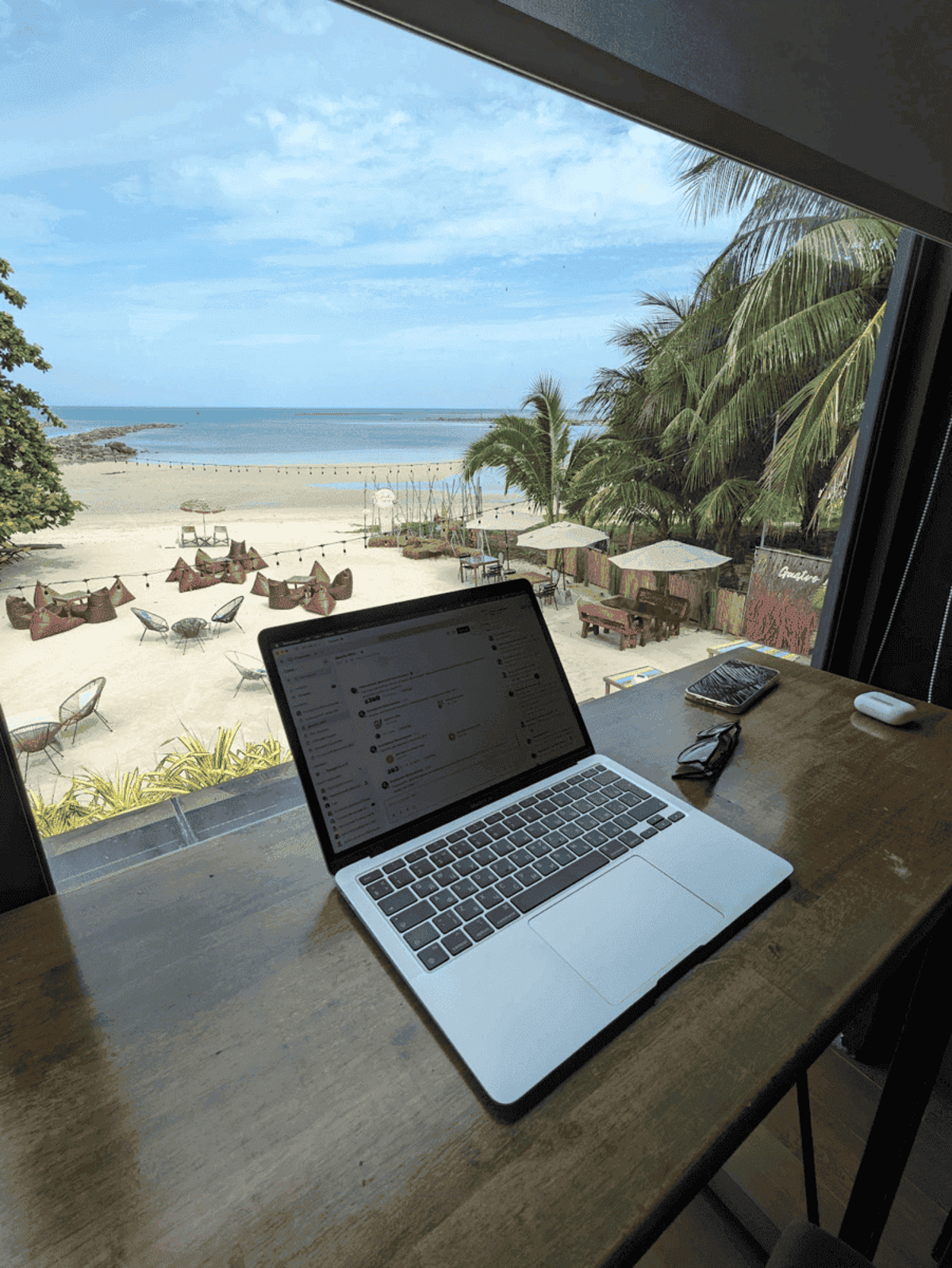
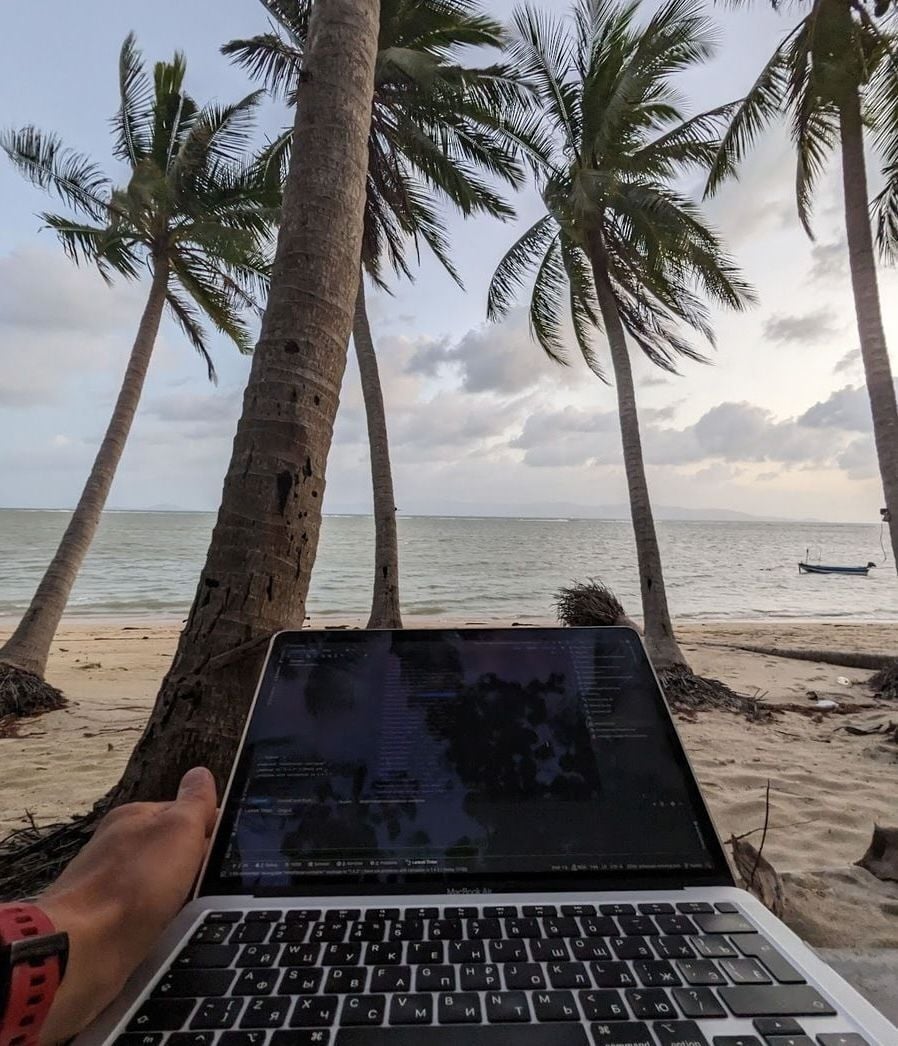 Caption suggestion: Working from the beach, living the freelance dream.
I worked on that first long-term project for about three years. Eventually, my client’s business started to decline, and he had less work for me. During that time, I had picked up a few small side projects, but I wasn’t actively looking – clients were finding me directly on Upwork. And one of those side gigs turned into a new multi-year, long-term project. So, I’ve been freelancing for almost ten years now. The first couple of years involved many short-term projects; now, I focus exclusively on long-term ones.
Prospects and Risks
I appreciate that this flexible schedule leaves enough time and energy to work on my own projects. The next big step would be launching and growing my own product. It feels like a logical path for a freelancer – diversification and aiming for passive income. But that’s a story for another time.
In 2022, Upwork started banning Russian freelancers. That was a major blow, but thankfully, I had already been working with my long-term client for a couple of years, so we simply switched to working directly, off the platform. Later, I managed to change the country listed on my Upwork profile, resolving the account suspension issues.
What if Upwork shuts down or bans me again? Does it scare me? Not really. I now have the most important thing – an understanding of how freelancing works, how to find long-term projects, and how to communicate effectively with clients. I also know that there are plenty of people worldwide who need technical specialists like me. So, moving to a new platform or finding work outside of established marketplaces would just be temporary technical hurdles. The experience stays with you forever.
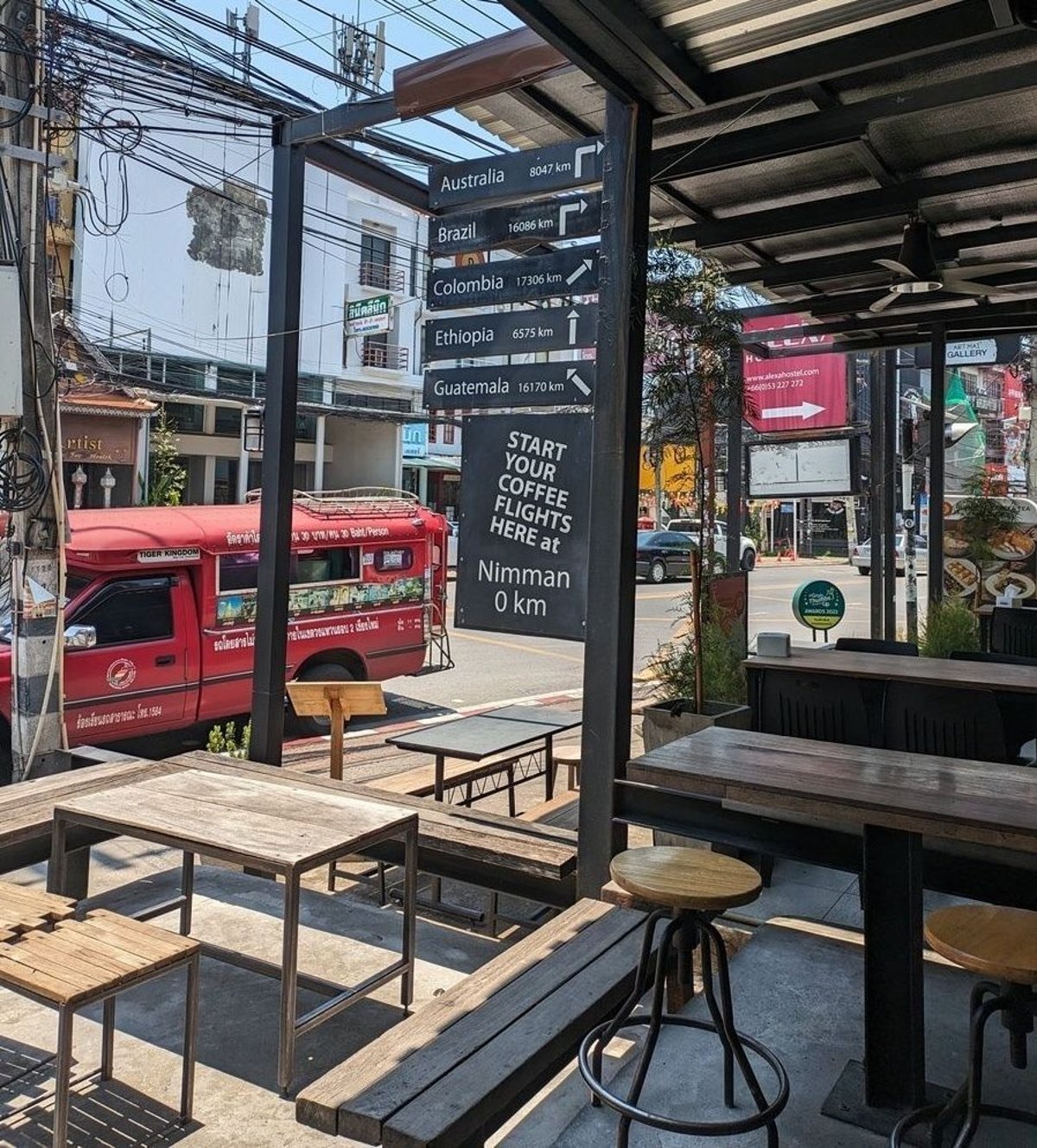
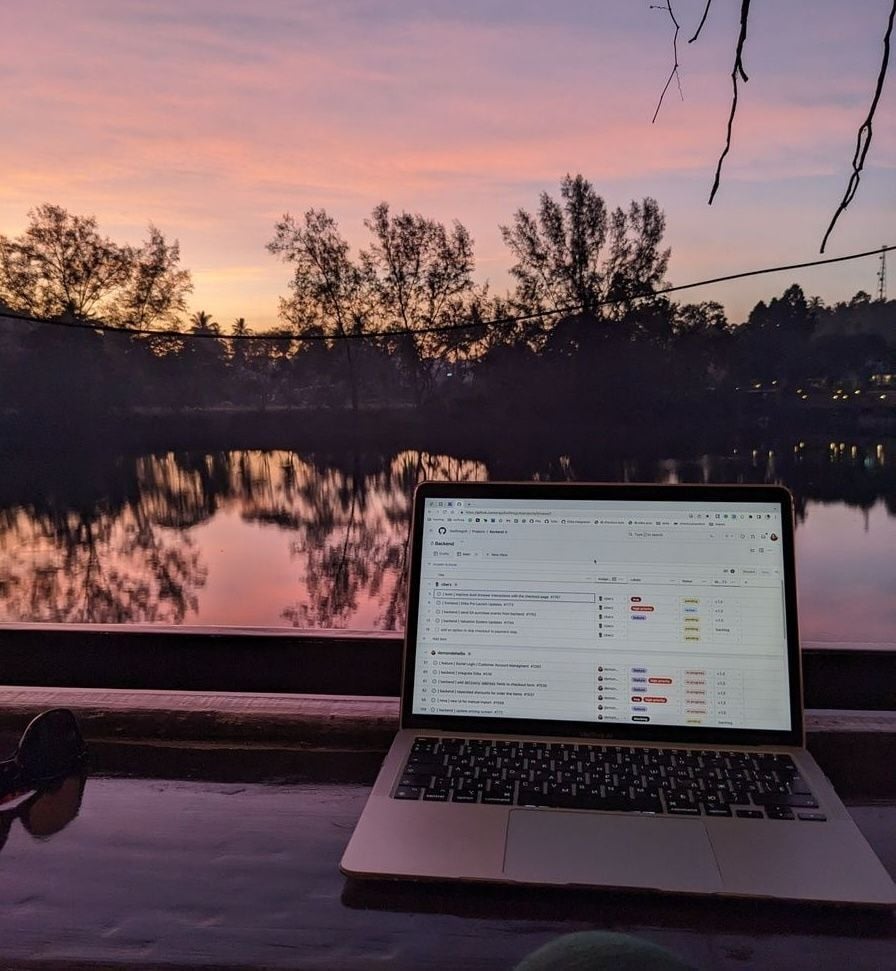 Caption suggestion: Views like this make the freelance journey worthwhile.
Conclusion
Freelancing isn’t for everyone, but not because it requires some special talent. It’s simply that for many people, the structure of an office or being part of a tight-knit team is more important than a flexible schedule and freedom. For me, daily meetings, planning vacations months in advance, dealing with sick leave policies, and asking for time off were far more unsettling than the perceived instability and risks of freelancing. To each their own.
Hopefully, my story was helpful, or at least gave you some inspiration. If you’re thinking about trying it – believe in yourself and remember, the beginning is always the hardest part.
MORE