Chiang Mai: A Digital Nomad's Guide
Discover the best area for living and working, navigating the smog season, and finding great spots for motorbike adventures.
When to Go?
First things first: the weather. Chiang Mai basically has three seasons: cool, rainy, and the infamous ‘burning season’ – the smog season. The most important thing is to avoid the latter.
🌤️ The best weather is from November to February: no smog, minimal rain, and comfortably cool temperatures.
🔥 The Smog Season (Burning Season)
The smog season typically lasts from February to May. During this time, it’s very hot, farmers burn their fields regionally, and the level of fine particulate matter (PM2.5) in the air can exceed safe levels by 30 times or more. No exaggeration here – Chiang Mai regularly ranks among the world’s most polluted cities by air quality during this period. The rest of the year, the air is generally clean and fresh.
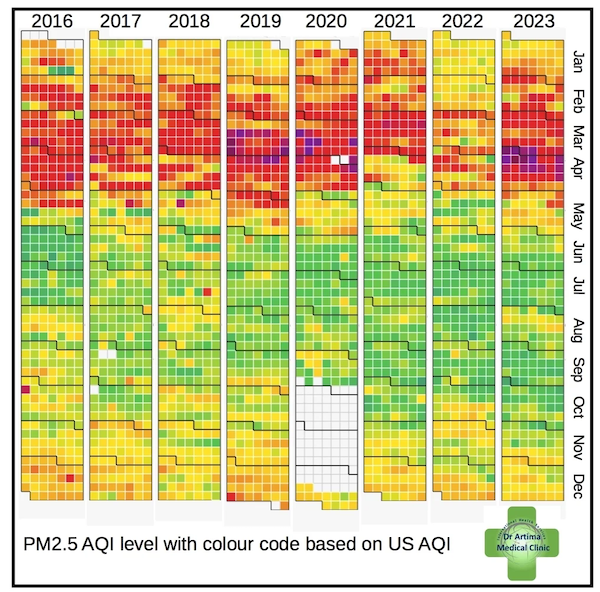
The start and end dates of the burning season can shift by 2-3 weeks each year. You can check the current air quality on IQAir.
🌧️ The Rainy Season
The rainy season runs roughly from May to November. In May-June, the weather is often sunny or overcast; there’s rain, but it’s usually infrequent and short-lived. The smog is gone, the air is clean, and crowds are smaller. July-August sees heavier rainfall, with peak precipitation hitting in August-September. During this time, prolonged downpours are common, tourist numbers are low, establishments can feel a bit empty, and riding a motorbike in the mountains can be cold and potentially hazardous.
| Month | Rainfall | Weather |
|---|---|---|
| May | 124mm | ☀️ |
| June | 140mm | 🌥️ |
| July | 184mm | 🌧️ |
| August | 261mm | 🌧️🌧🌧️ |
| September | 236mm | 🌧️🌧 |
| October | 122mm | 🌥️ |
My last visit to Chiang Mai was in May-June, and I quite enjoyed it. There were short, light showers and occasional longer downpours, but I found it added a bit of freshness and variety. On cloudy days, the sun isn’t as intense, making it more comfortable for walking around. Cafes were quiet, free from crowds and queues, giving the city a cozy and calm atmosphere. It’s perfectly suited for settling into cafes, working, and taking occasional motorbike rides.
👉 More details about Chiang Mai weather by month.
Chiang Mai offers plenty to do besides visiting waterfalls and temples. The city boasts many great cafes, bars, and nightlife, making it quite livable and workable even during the rainy season. However, hiking and extensive road trips will likely be more limited.
🏘️ The Best Area to Live
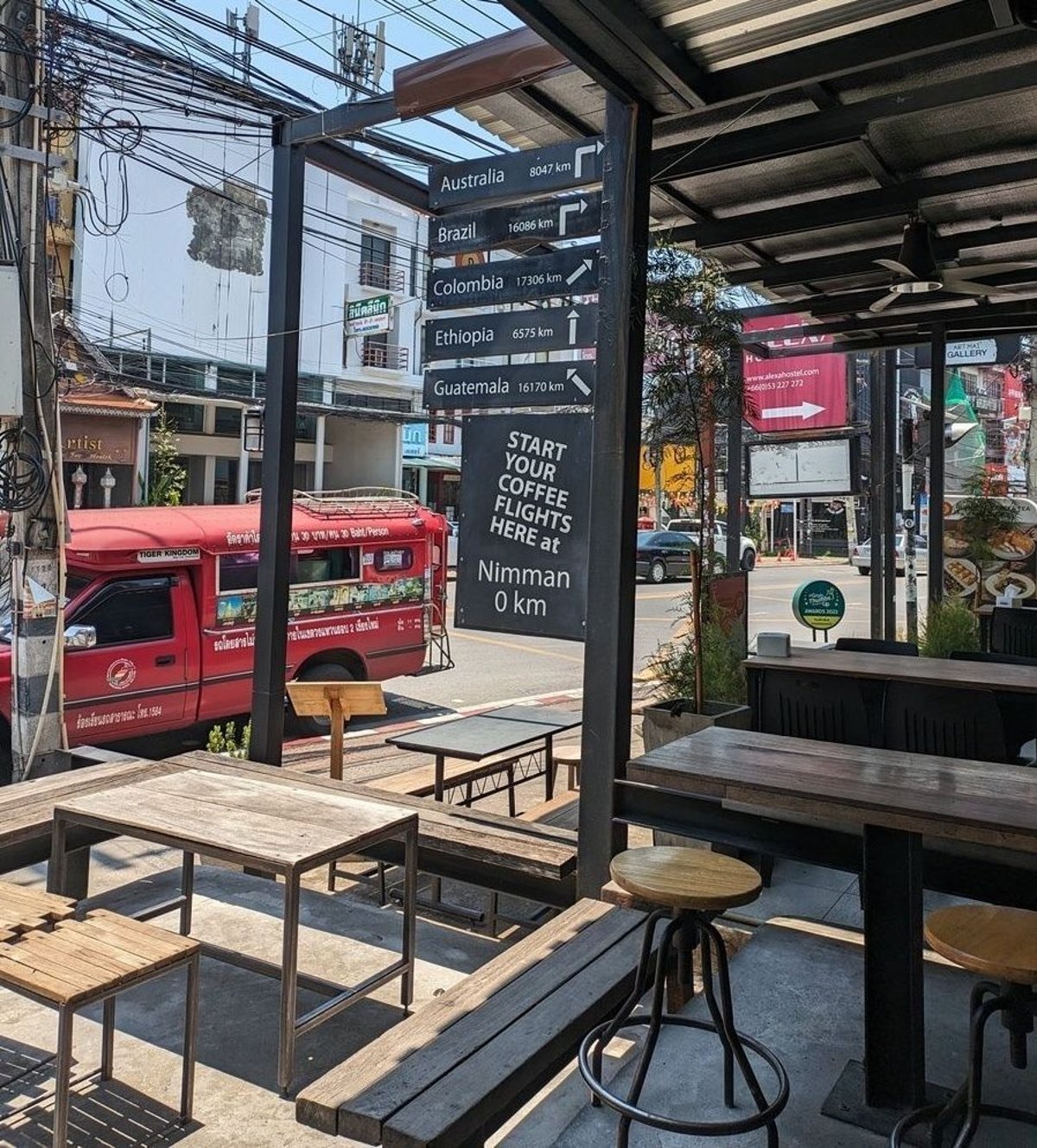
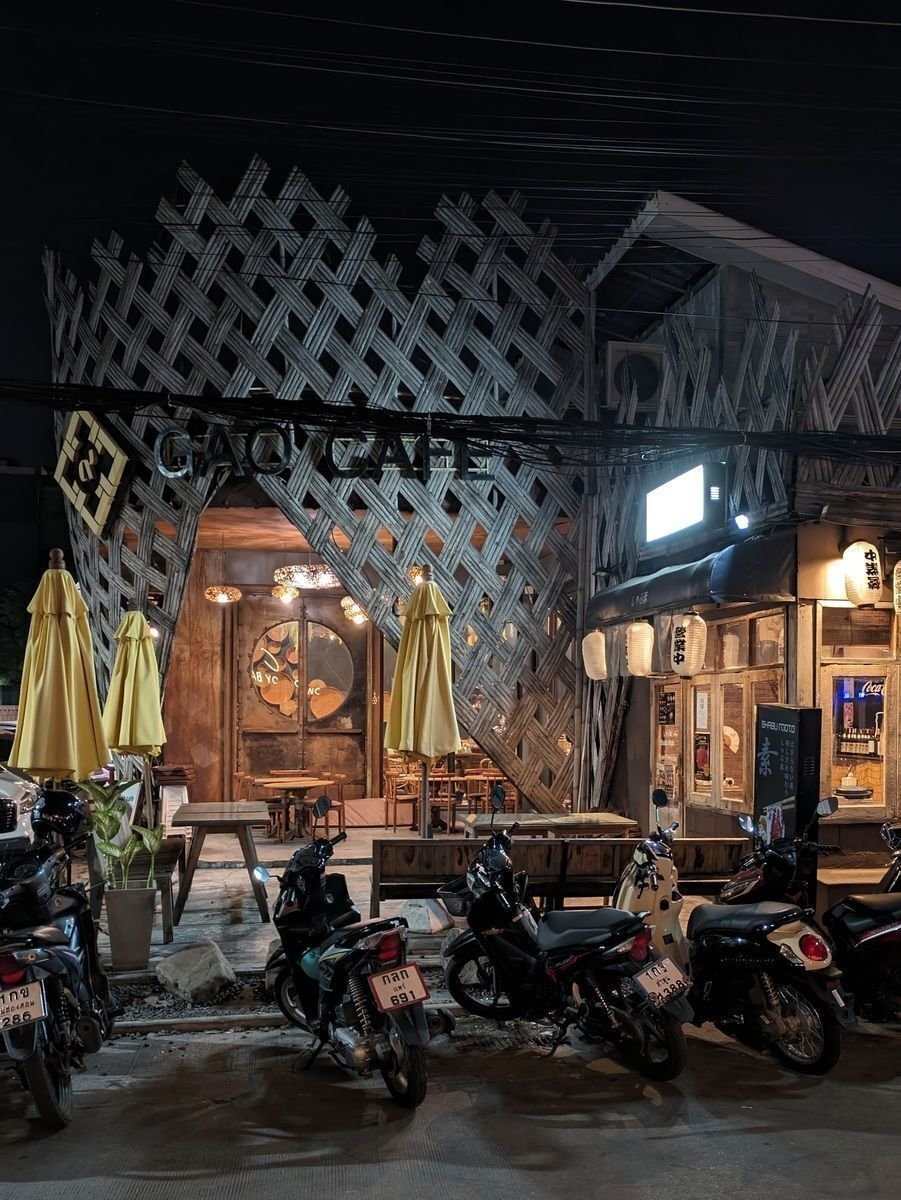
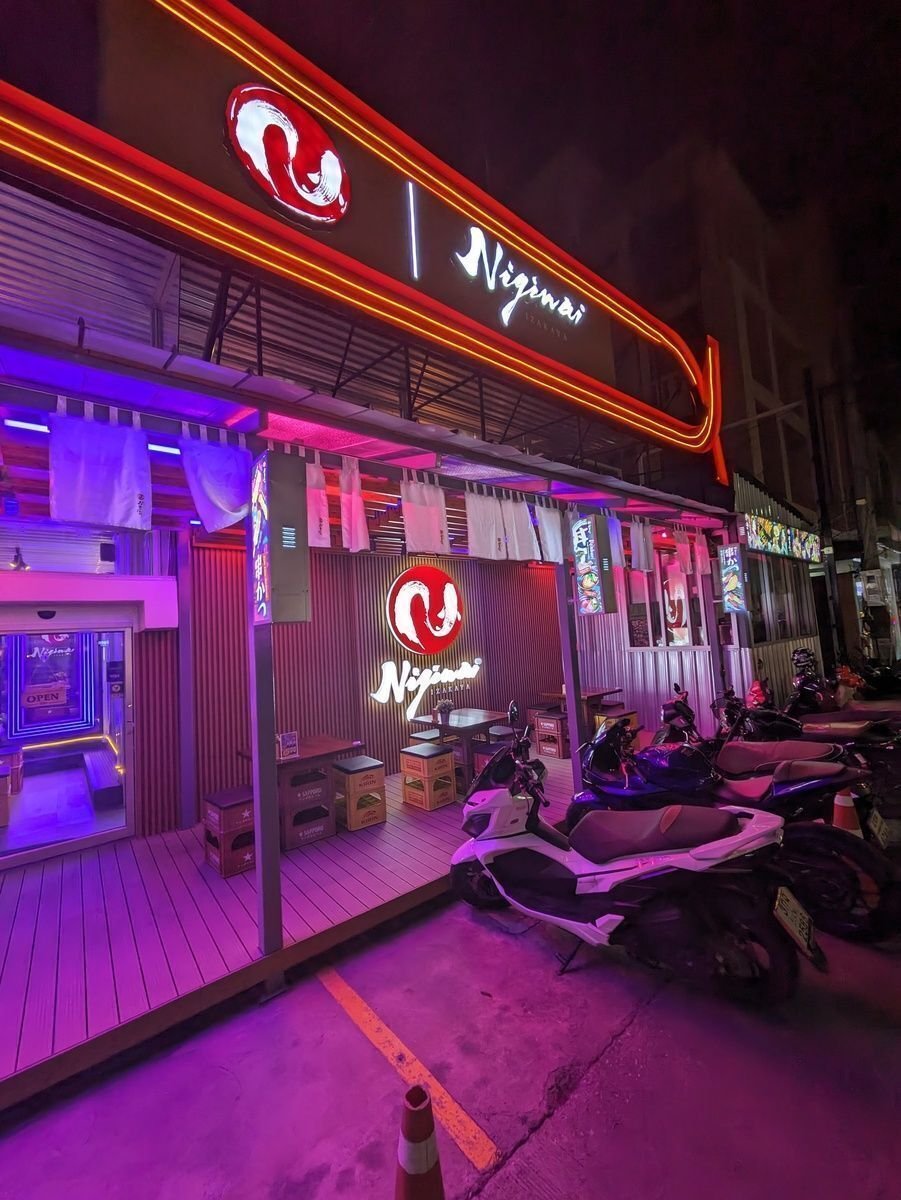
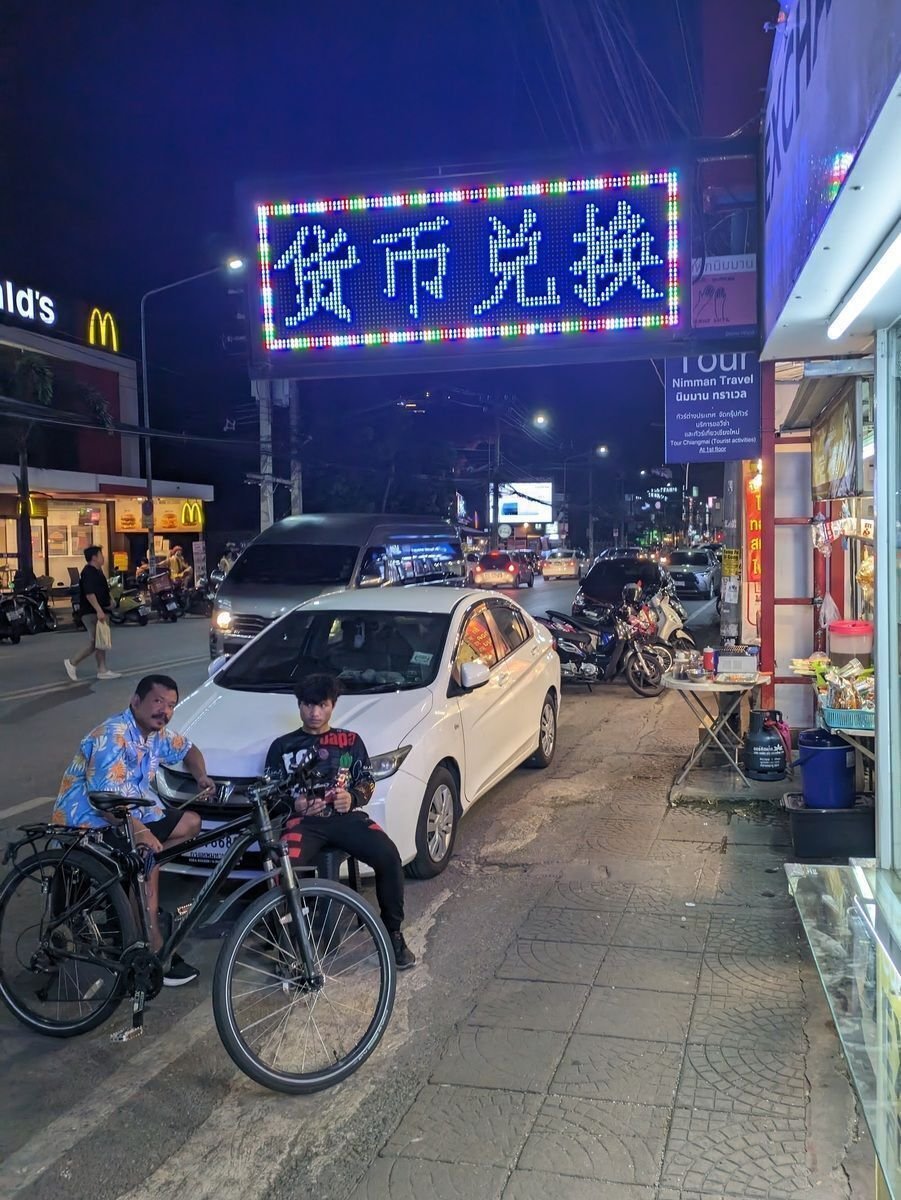
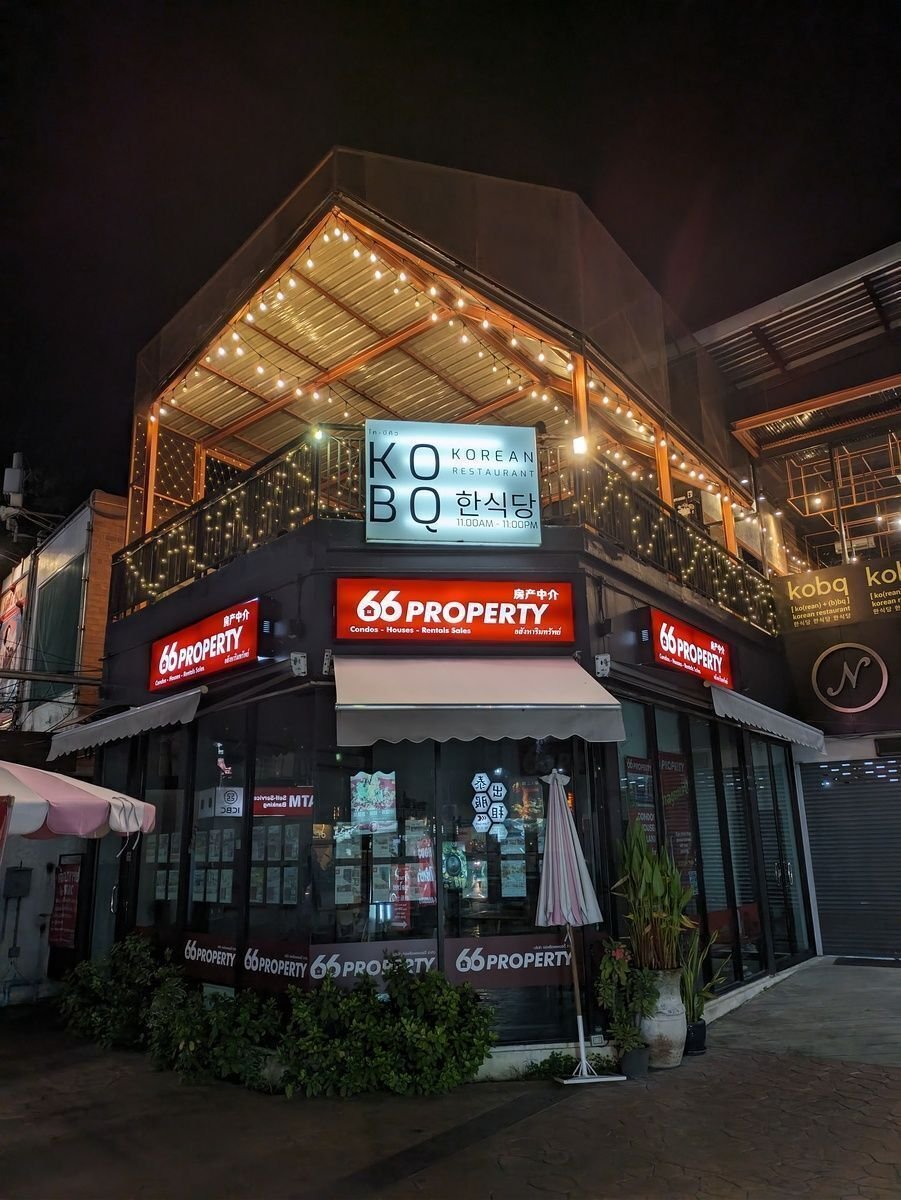
The best area for a comfortable digital nomad lifestyle is Nimmanhaemin, or simply Nimman. It’s a popular area for visitors from Japan, Korea, and China. It’s quiet during the day and buzzes with energy in the evening. Nimman is very walkable, offers great spots for working or jogging, and has an abundance of excellent cafes.
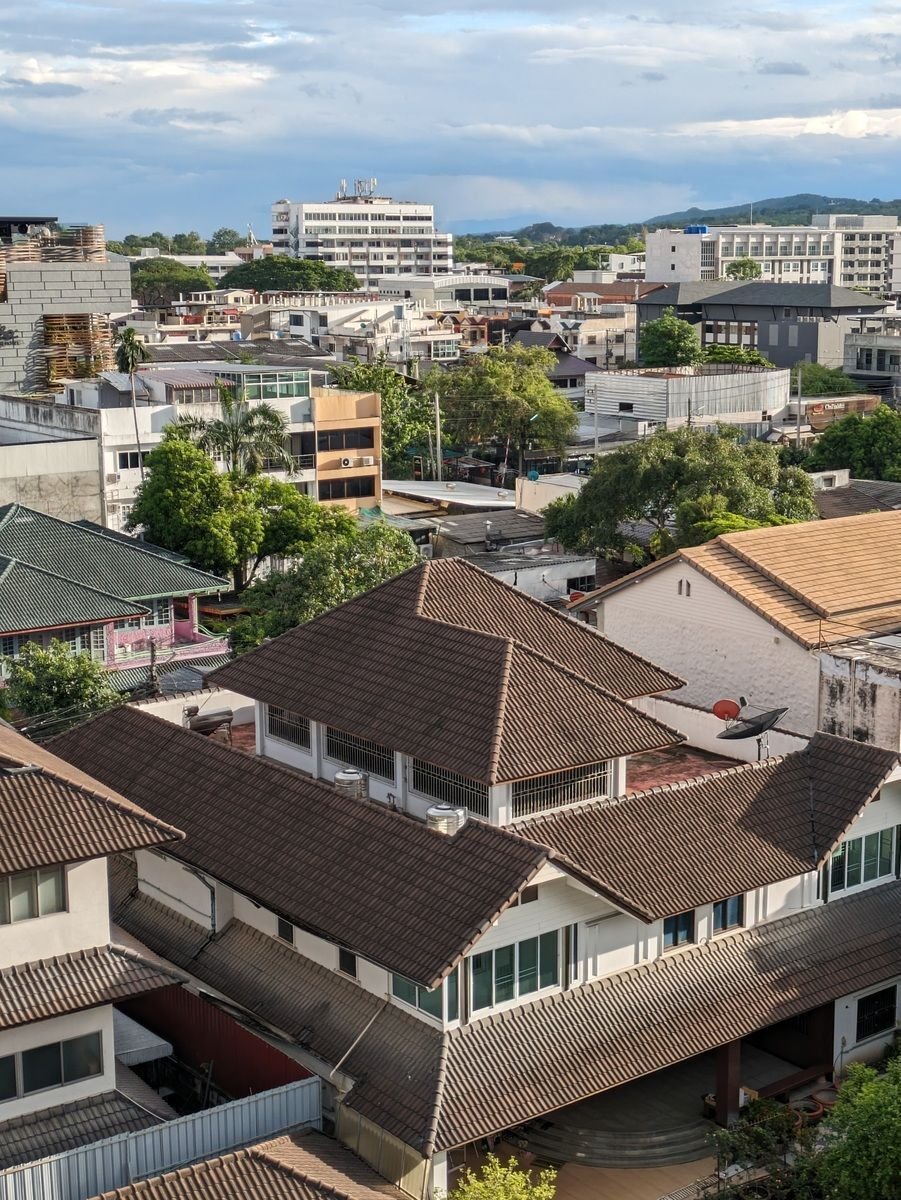
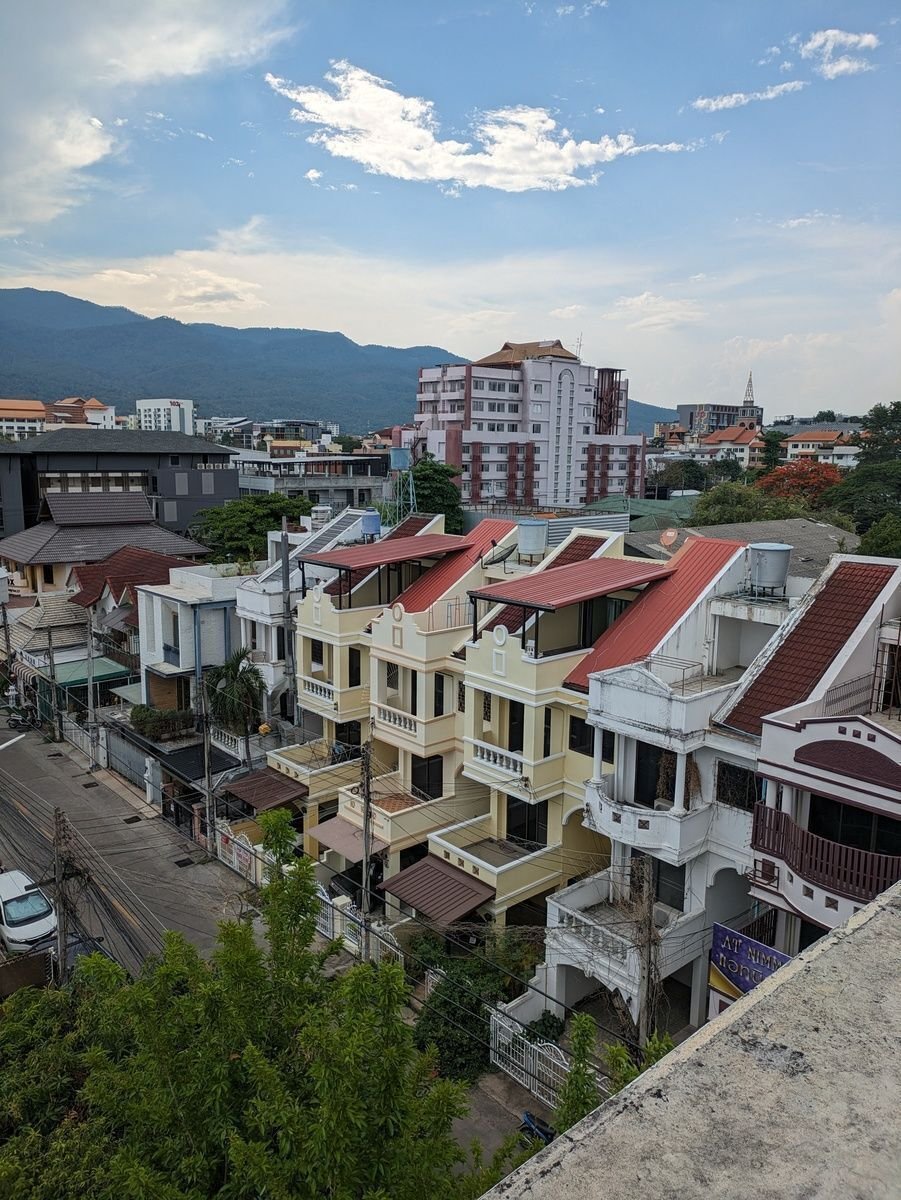
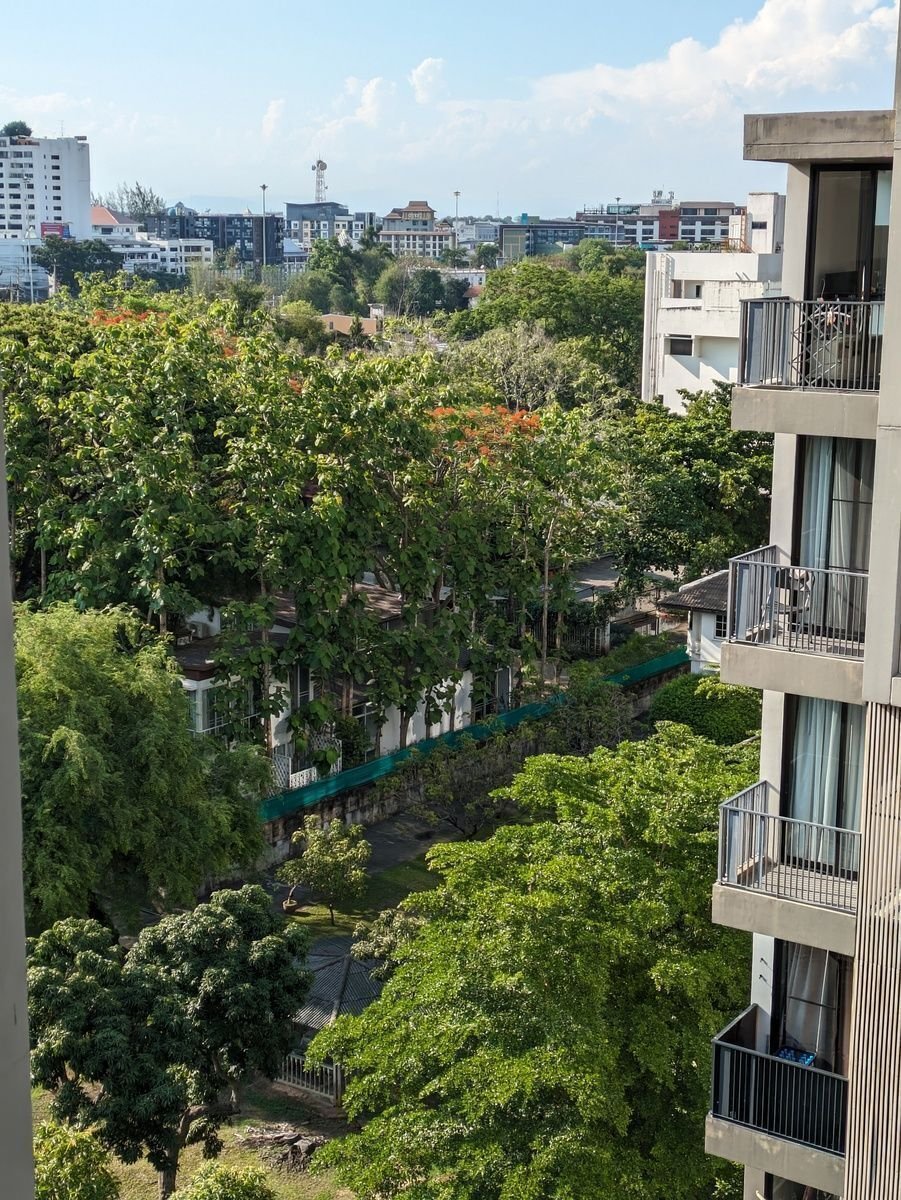
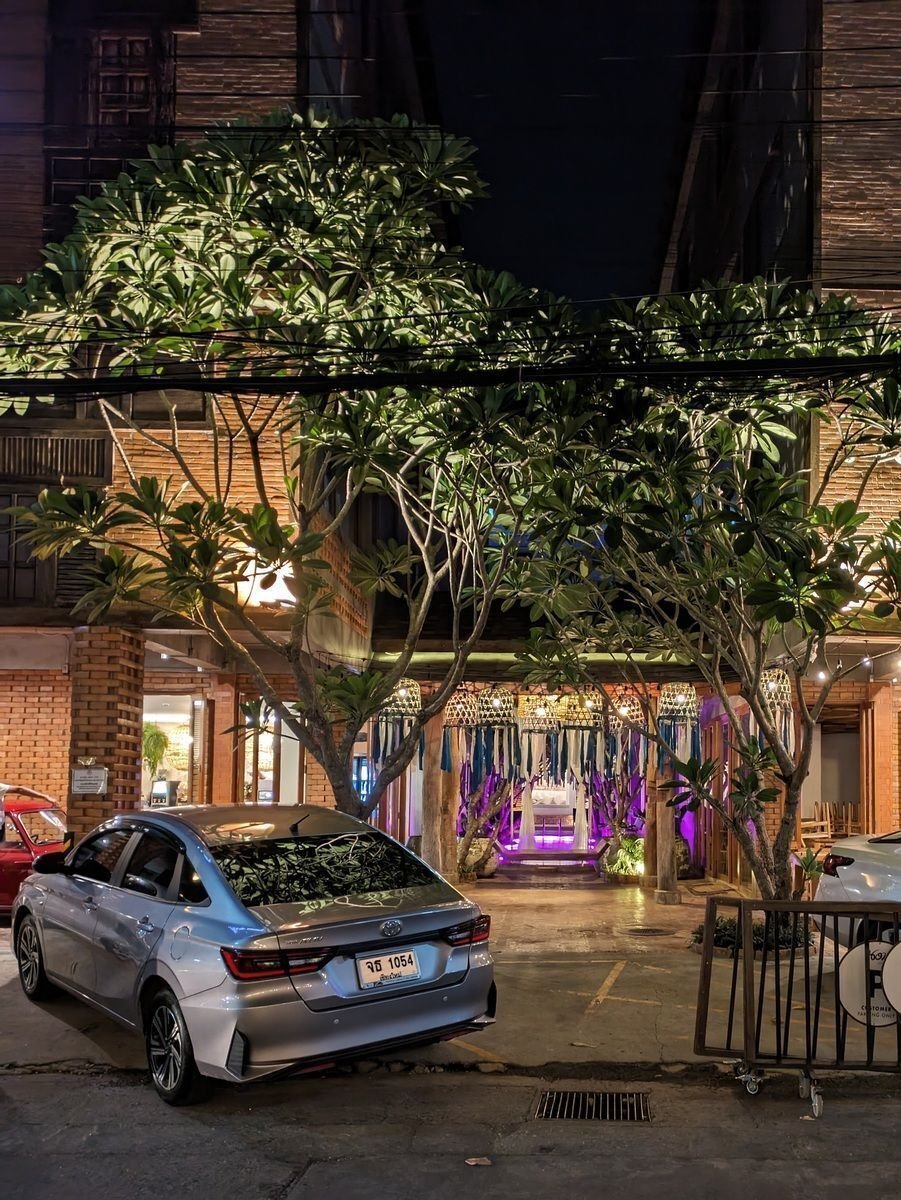
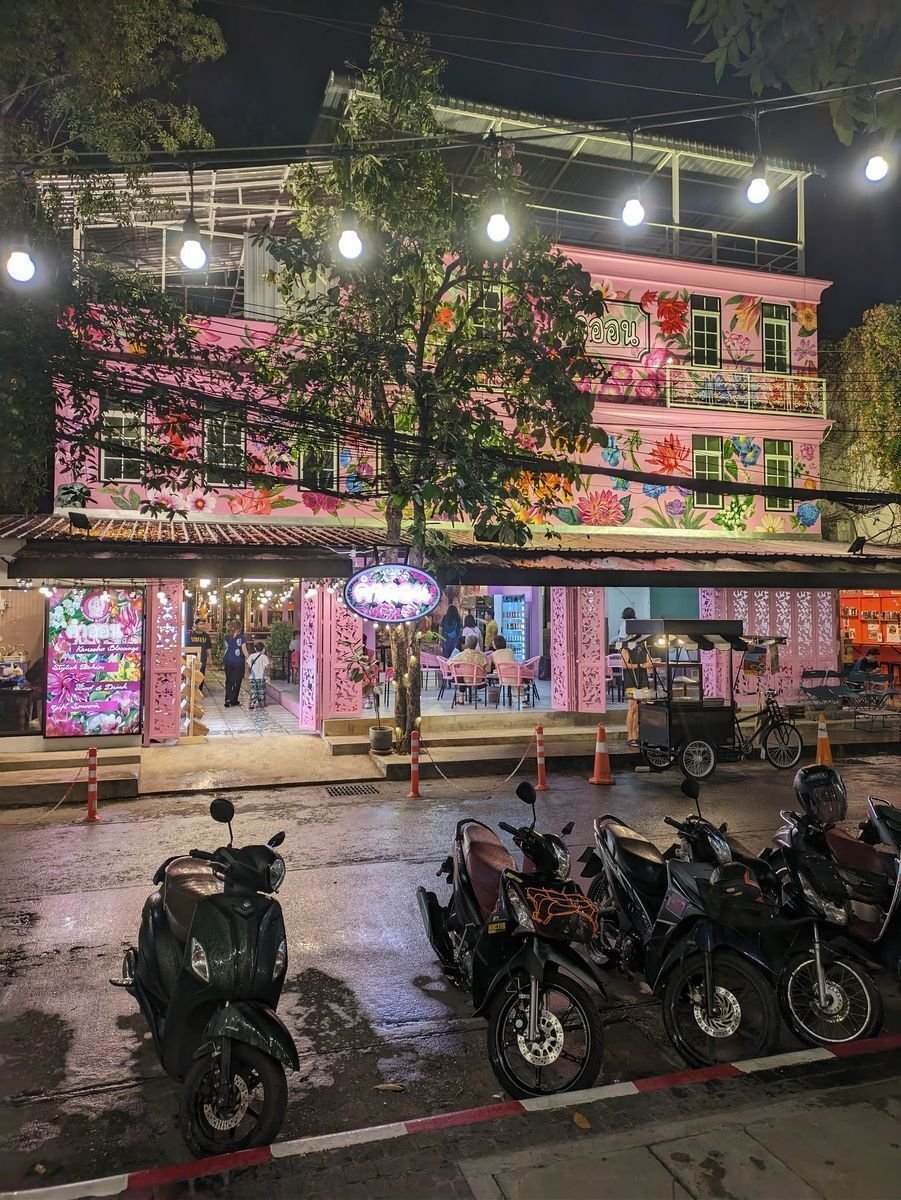
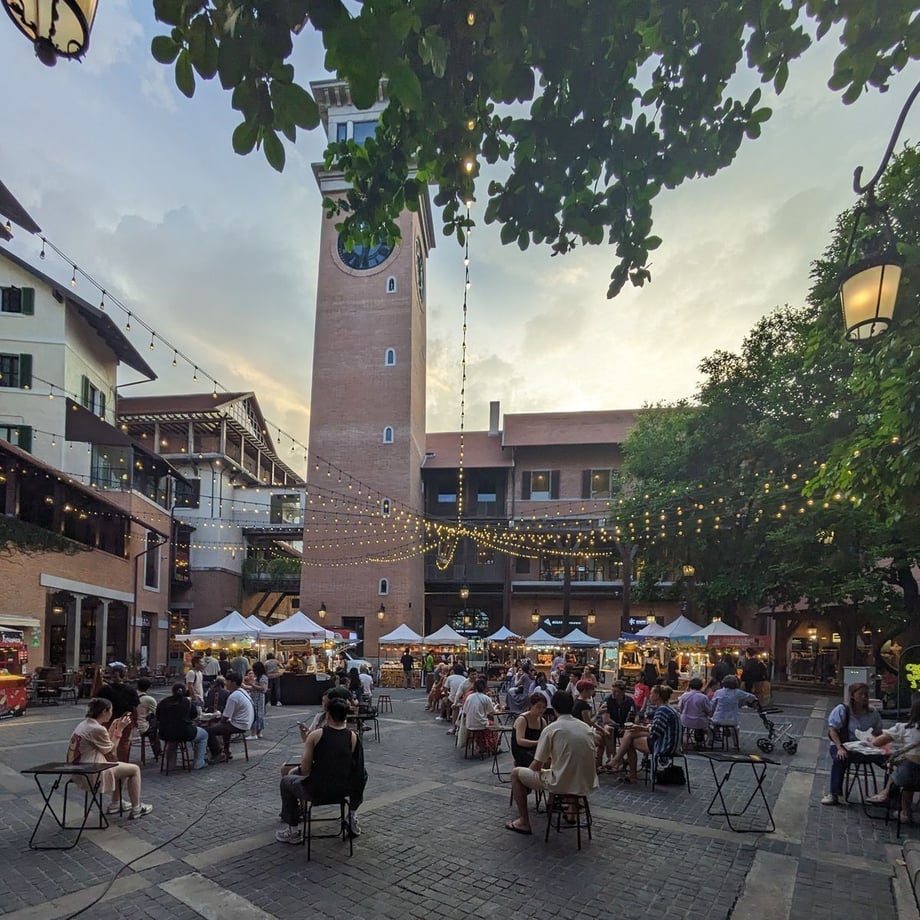
Living in Nimman means you can easily get by without a motorbike. Most essentials, and even the Old City, are within walking distance. You’ll find everything you need: a large shopping mall (Maya Lifestyle Shopping Center), restaurants catering to all tastes (including some with Michelin stars or recommendations), craft beer bars, breakfast spots, quality massage parlors, and coworking spaces.
Speaking of coworking, Nimman has several good options, but arguably the best is Yellow. It’s spacious, well-designed, and has a great atmosphere with friendly people. They offer flexible plans (daily, monthly, etc.) and its location in the heart of Nimman means you have countless choices for lunch and coffee breaks.
Of course, Nimman’s vibe isn’t traditionally Thai; it feels more like a blend of Japanese and Korean influences. But that’s part of its charm: the area is remarkably clean, cozy, and stylish. Evenings bring a lively nightlife scene reminiscent of a larger city, complete with live music, clubs, social gatherings, neon signs, and opportunities for bar hopping.
For a taste of traditional Thailand, take a walk into the Old City. 👇
Old City
If you’re visiting for just a couple of weeks primarily as a tourist—focused on temples and night markets—staying within the Old City (the central square surrounded by the ancient moat) might be preferable.
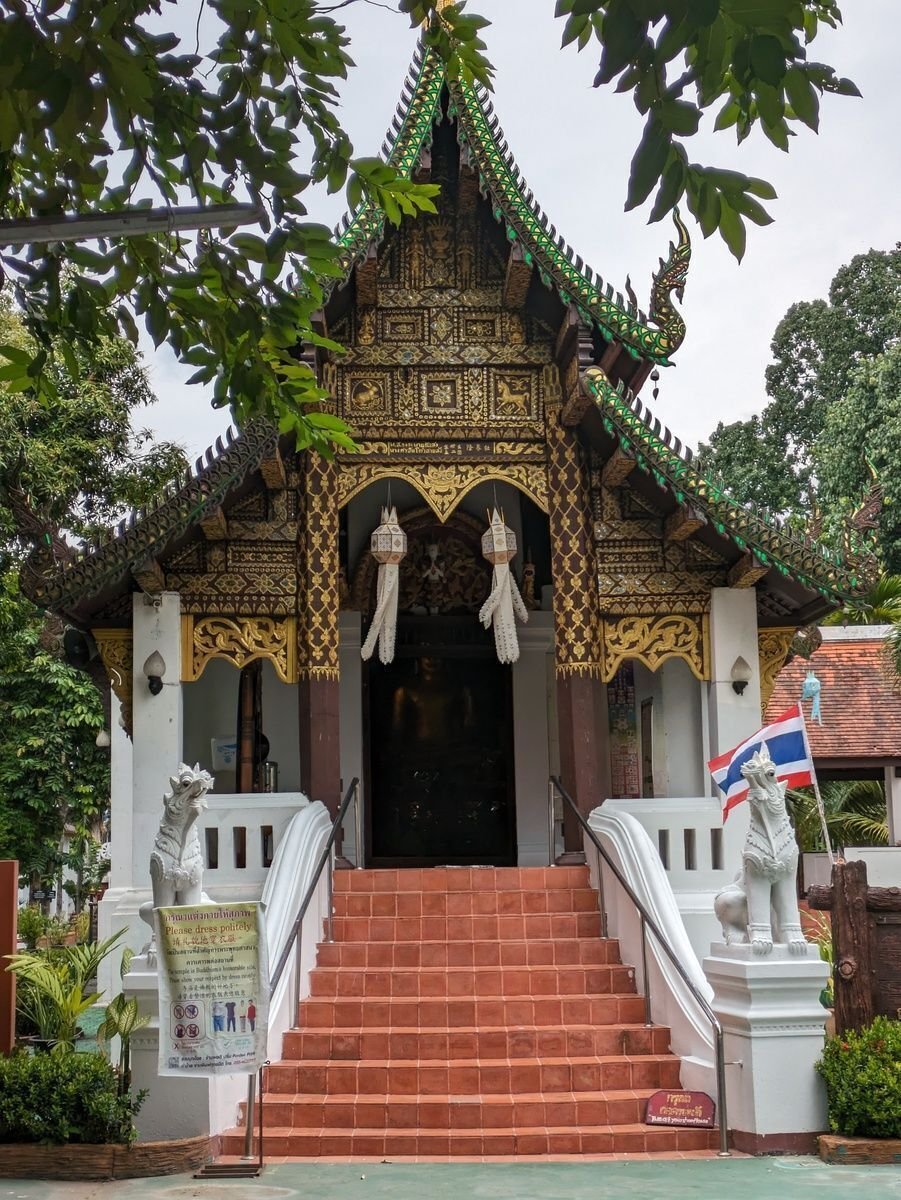
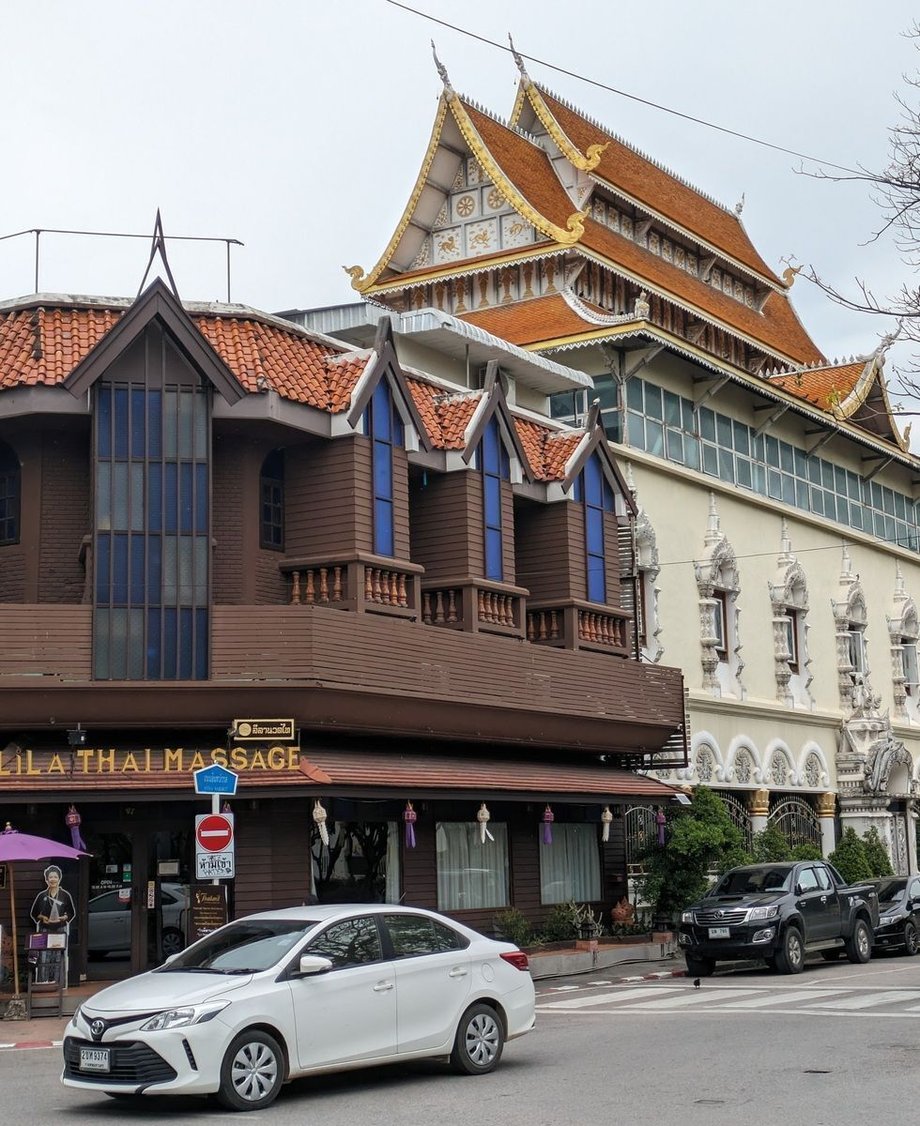
The Old City generally attracts more tourists, resulting in more souvenir shops and basic, mid-range Thai eateries. For a digital nomad needing a productive environment, it’s not the most convenient base. Good coworking spaces are scarce, and the typical cafes aren’t always well-suited for work sessions. The atmosphere here is distinctly traditional Thai: temples, saffron-robed monks, bustling night markets, abundant massage parlors, and readily available tour agencies.
🛵 Motorbike Day Trips & Excursions
The area surrounding Chiang Mai, typical of Northern Thailand, is characterized by stunning mountains, waterfalls, lush jungles, agricultural fields, rivers, quaint villages, temples, and tea and coffee plantations. Distances to many attractions are relatively short, making exploration by motorbike feasible and highly rewarding. You don’t necessarily need a large, powerful bike; a standard scooter and a sense of adventure will suffice for most trips.
Doi Suthep
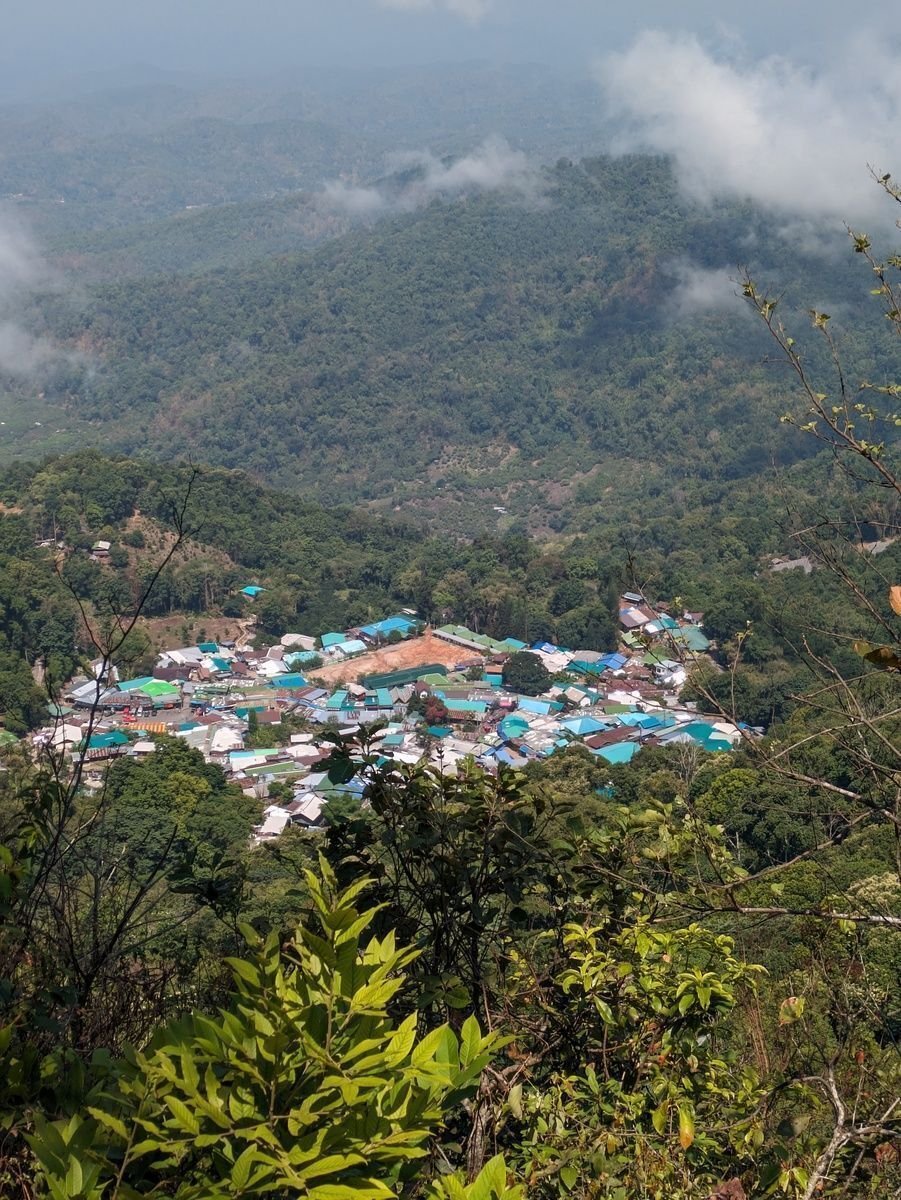
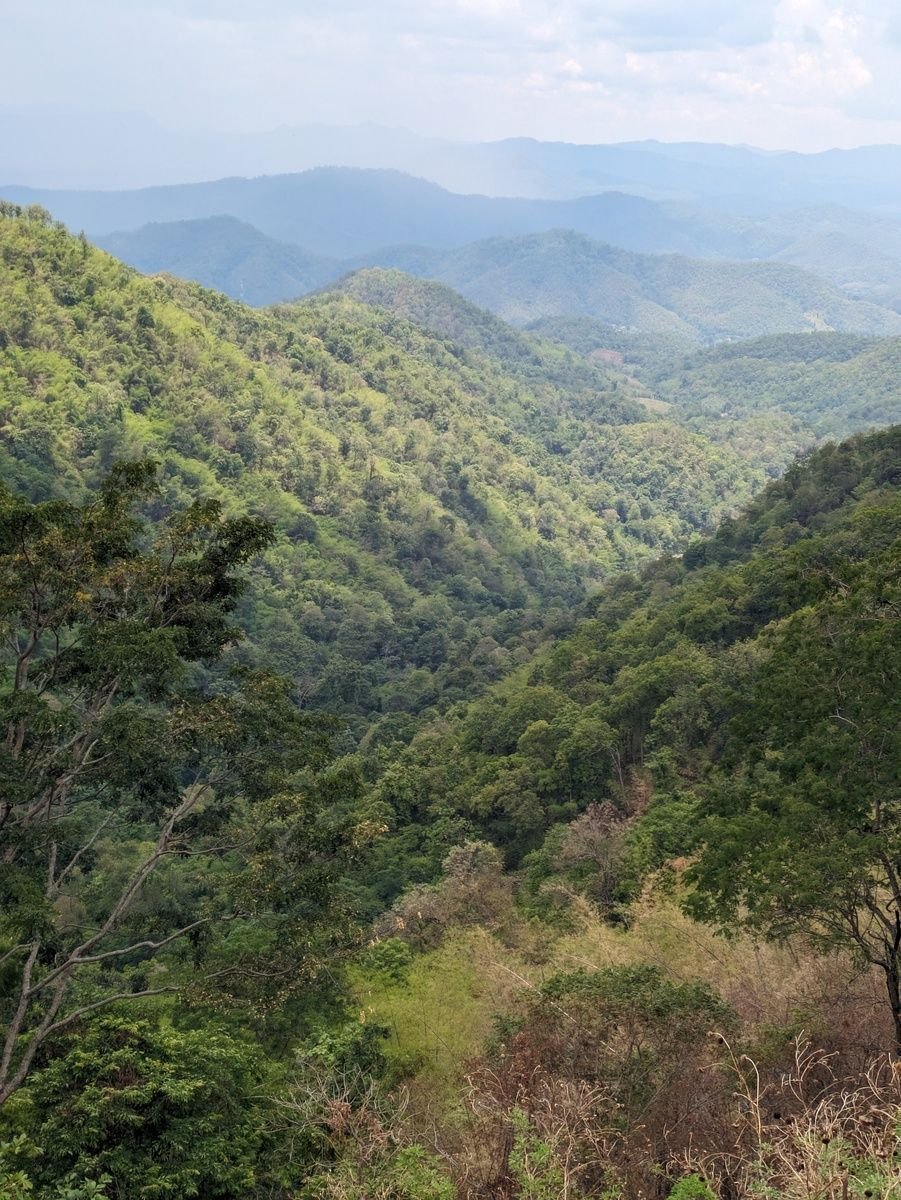
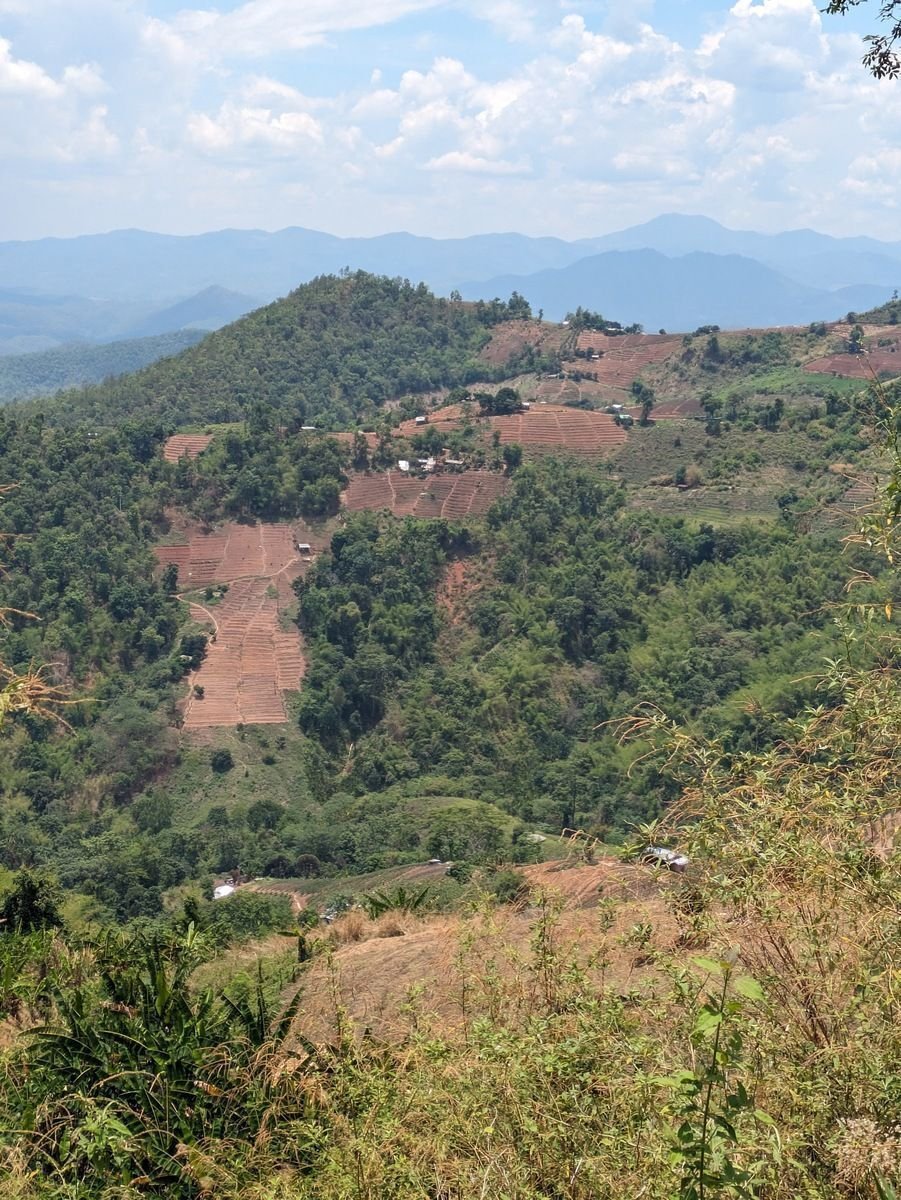
Doi Suthep is often the first nearby point of interest visitors explore. It’s a mountain crowned by the famous Wat Phra That Doi Suthep temple, featuring hiking trails and viewpoints offering panoramic views of Chiang Mai city below. The ride up takes only about 30 minutes from the city base. The mountain road is enjoyable with good asphalt, featuring sharp curves. Thankfully, traffic is usually light, allowing for a comfortable pace.
Samoeng Loop
The Samoeng Loop is a popular circular motorbike route (~100 km) that circumnavigates Doi Suthep mountain, starting and finishing back in Chiang Mai. While you could technically complete the loop in a couple of hours non-stop, there are numerous interesting stops along the way; factoring in breaks and sightseeing, plan for around 4 hours. The route is highly scenic, particularly the western sections. The eastern part, following highways 107 and 121, is less appealing – it’s primarily a busy highway with heavy traffic, less interesting scenery, and sometimes questionable road conditions.
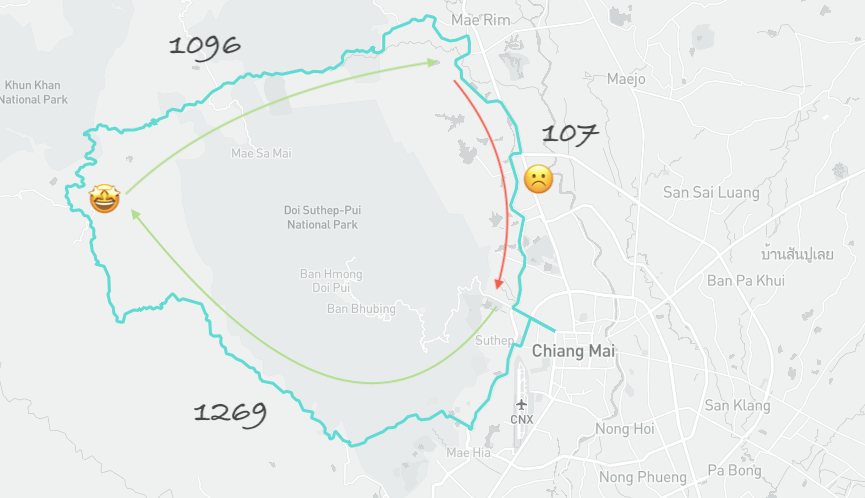
In my opinion, the most beautiful stretch is along road 1269. You might even consider skipping the eastern highway leg altogether. A good approach is to start near Nimman, head west following the loop clockwise, and simply turn back towards Chiang Mai when you approach highway 107. This way, you avoid the less scenic part and get to experience the best sections twice from different perspectives. The return journey often feels quicker as you’ll likely stop less. Remember to fill up your gas tank before setting off; gas stations are few and far between on the loop, and their opening hours can be unreliable. You’ll find some cafes and food stops, but they are scattered and not always open.
Pai
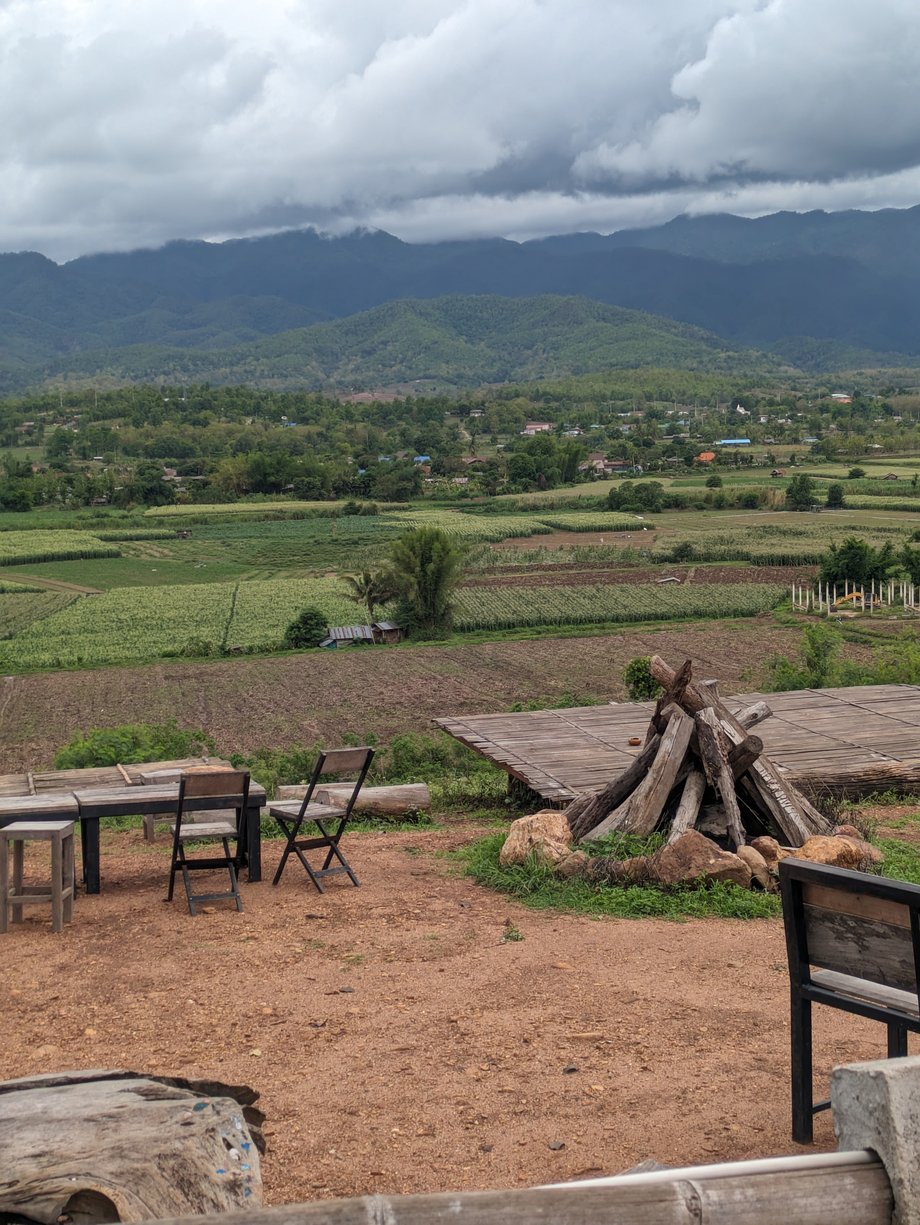
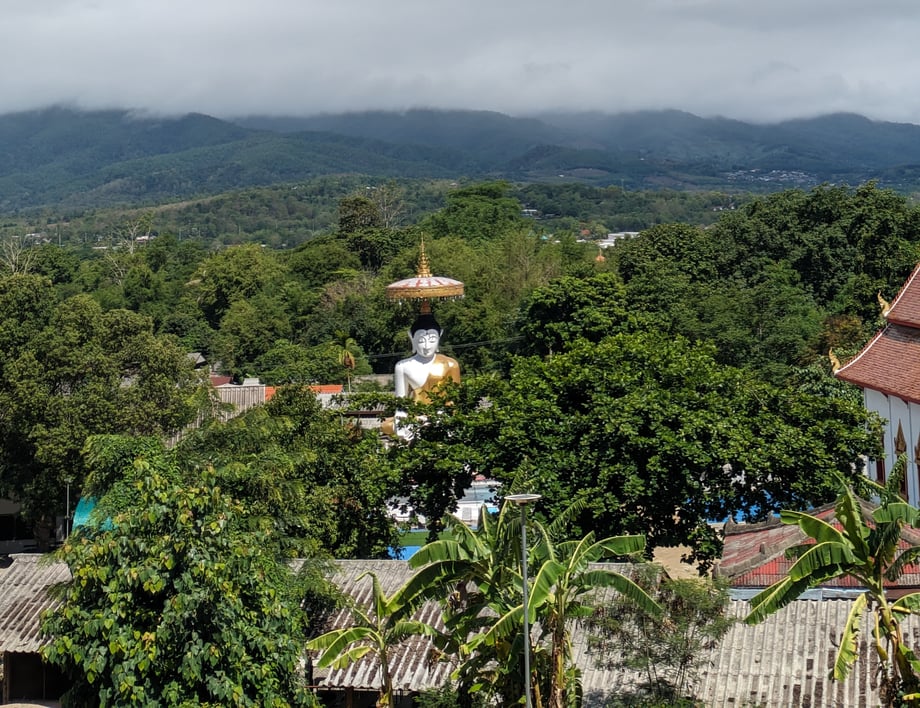
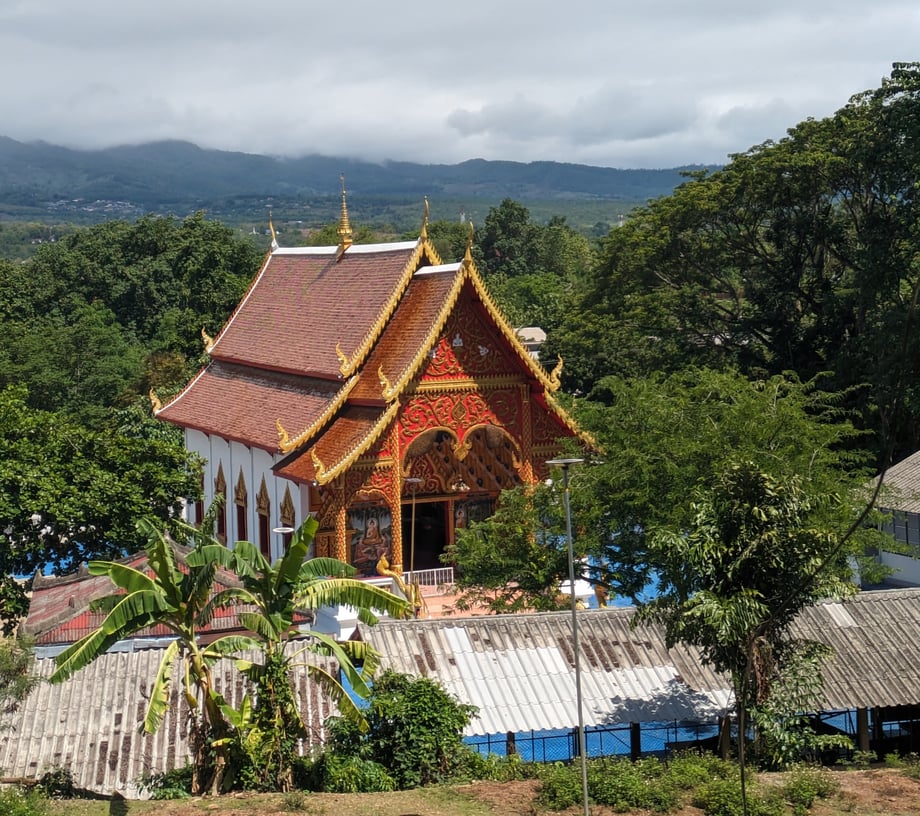
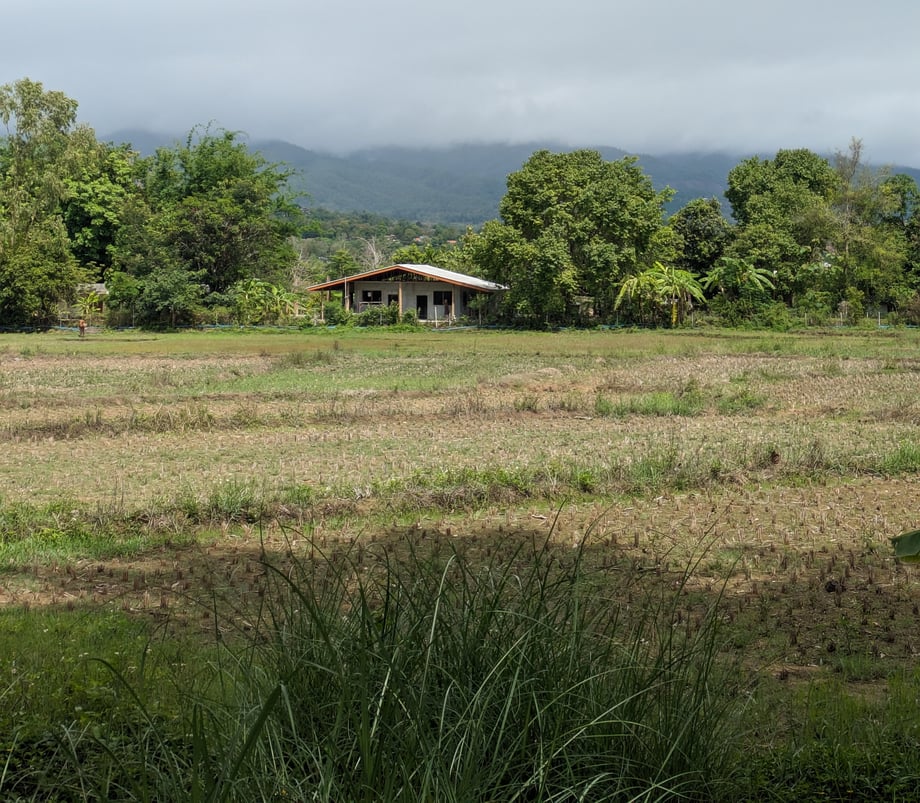
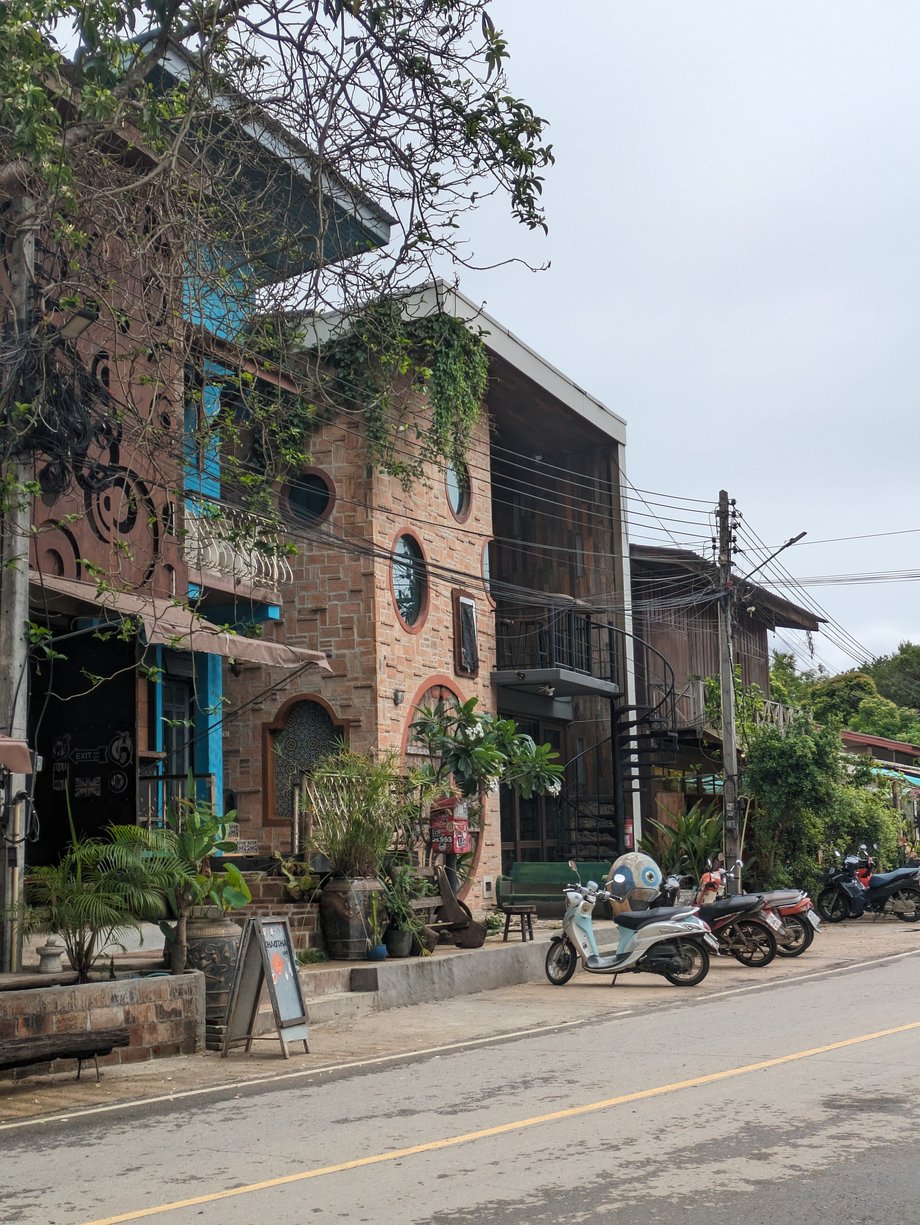
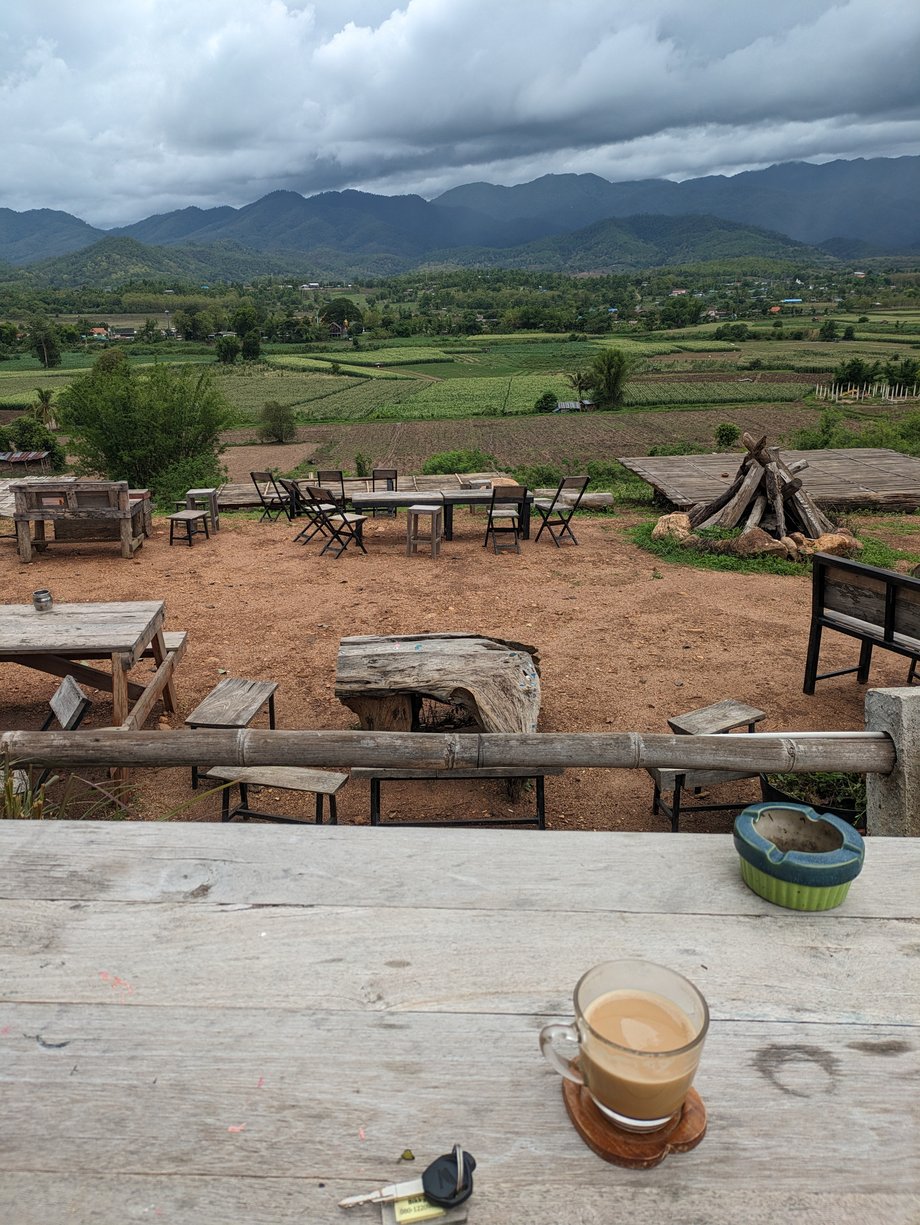
Pai is a small, bohemian town nestled in the mountains, famously popular among hippies, backpackers, and wellness seekers – often described as Northern Thailand’s relaxed, alternative hub (akin to Koh Phangan in the south, but with mountains). The scenic motorbike journey from Chiang Mai takes about three to four hours, winding through beautiful natural landscapes once you leave the city’s northern outskirts. A weekend trip is usually sufficient to explore Pai town and its immediate surroundings (like Pai Canyon, hot springs, and waterfalls). However, its laid-back vibe encourages longer stays; many spend a week or more cafe-hopping, chilling out, and soaking up the atmosphere. Pai is known for being social and easy-going, with plenty of evening hangouts and daytime adventures nearby.
Doi Inthanon
Doi Inthanon is the highest peak in Thailand. Located within Doi Inthanon National Park, the mountain area features stunning terraced rice fields (especially photogenic during planting/growing season), impressive waterfalls (like Wachirathan and Mae Ya), and the iconic twin Royal Pagodas near the summit. The road access is generally good and well-maintained, but the journey from Chiang Mai is quite long (allow at least 2 hours each way), and involves some steep sections. Therefore, it’s not recommended for novice motorbike riders. As a major tourist attraction, it gets busy. If you’re hesitant about the ride or prefer a more structured visit, numerous guided tours are readily available from Chiang Mai.
MORE